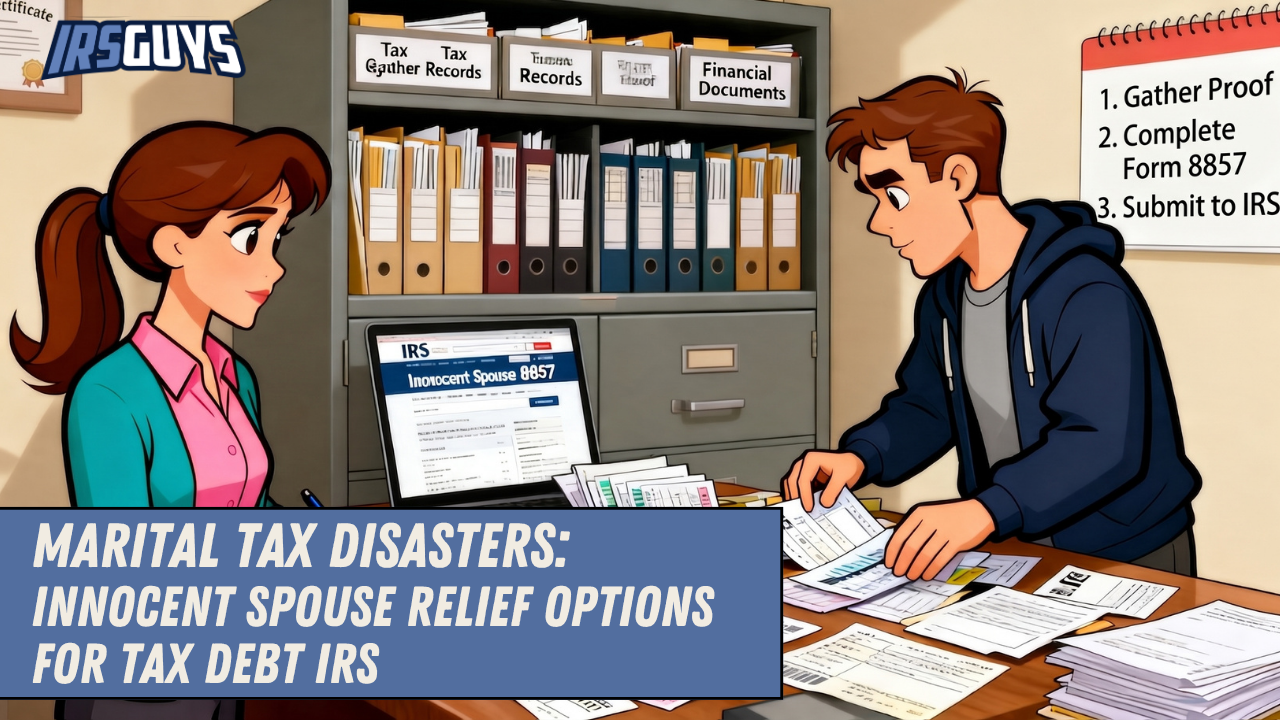
Marital Tax Disasters: Best Innocent Spouse Relief Options for Tax Debt IRS
Filing a joint tax return with your spouse can save you money, but it also comes with big legal risks. When you sign a joint return, the government treats you…

Filing a joint tax return with your spouse can save you money, but it also comes with big legal risks. When you sign a joint return, the government treats you…
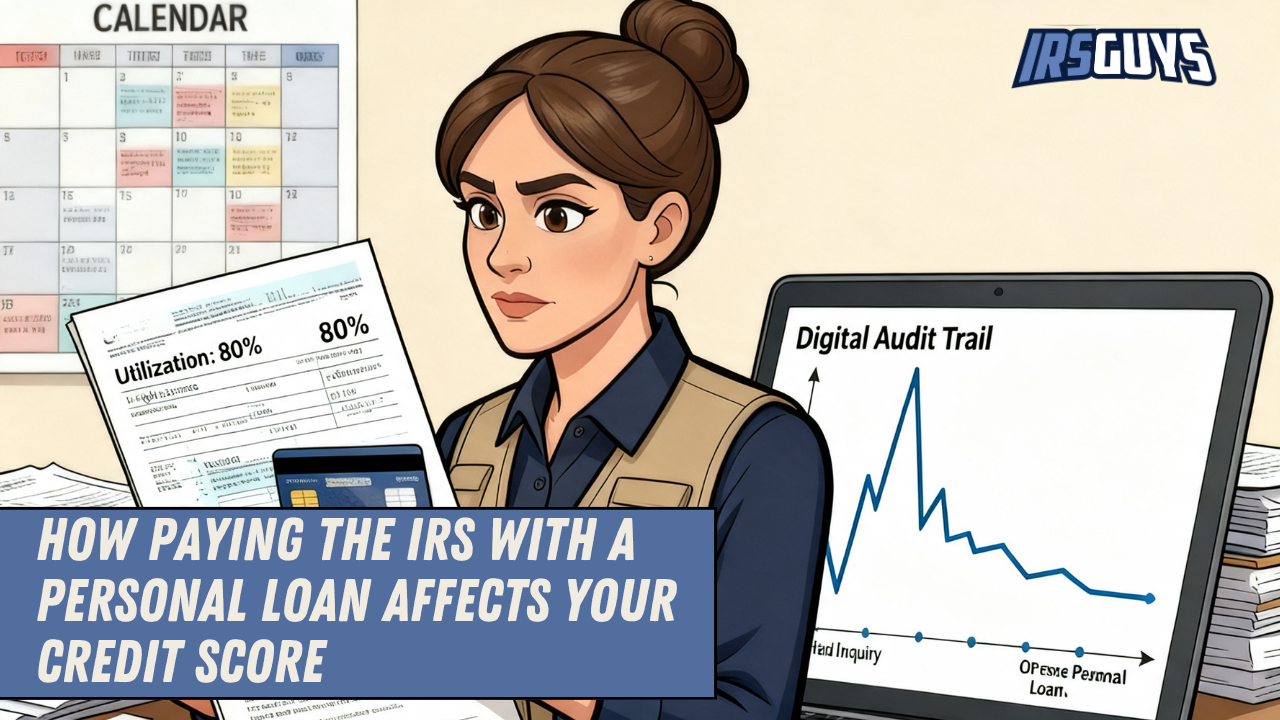
Key Takeaways Unpaid taxes do not show up on your credit report: The IRS does not report tax balances or payment plans to Equifax, Experian, or TransUnion. Credit bureaus also…
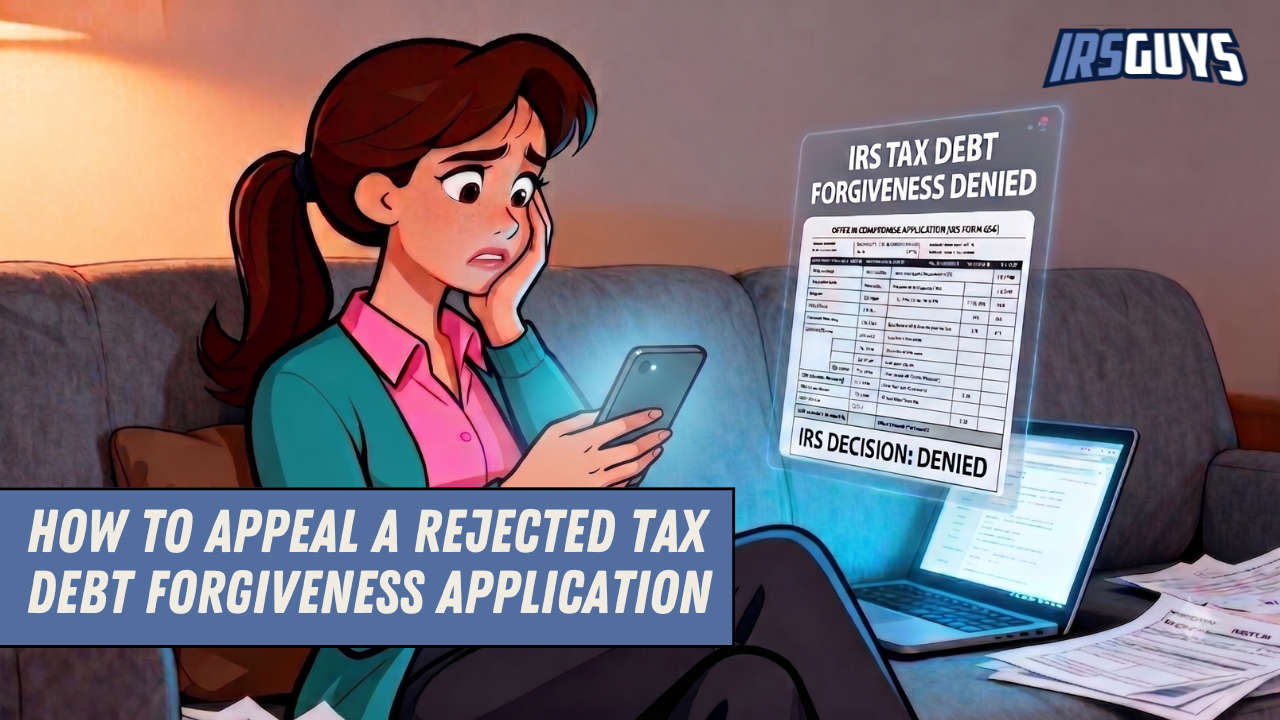
Many individuals, business owners, and self-employed professionals struggle with unpaid tax bills from the IRS. When looking for help, the most common route is submitting an Offer in Compromise, which…
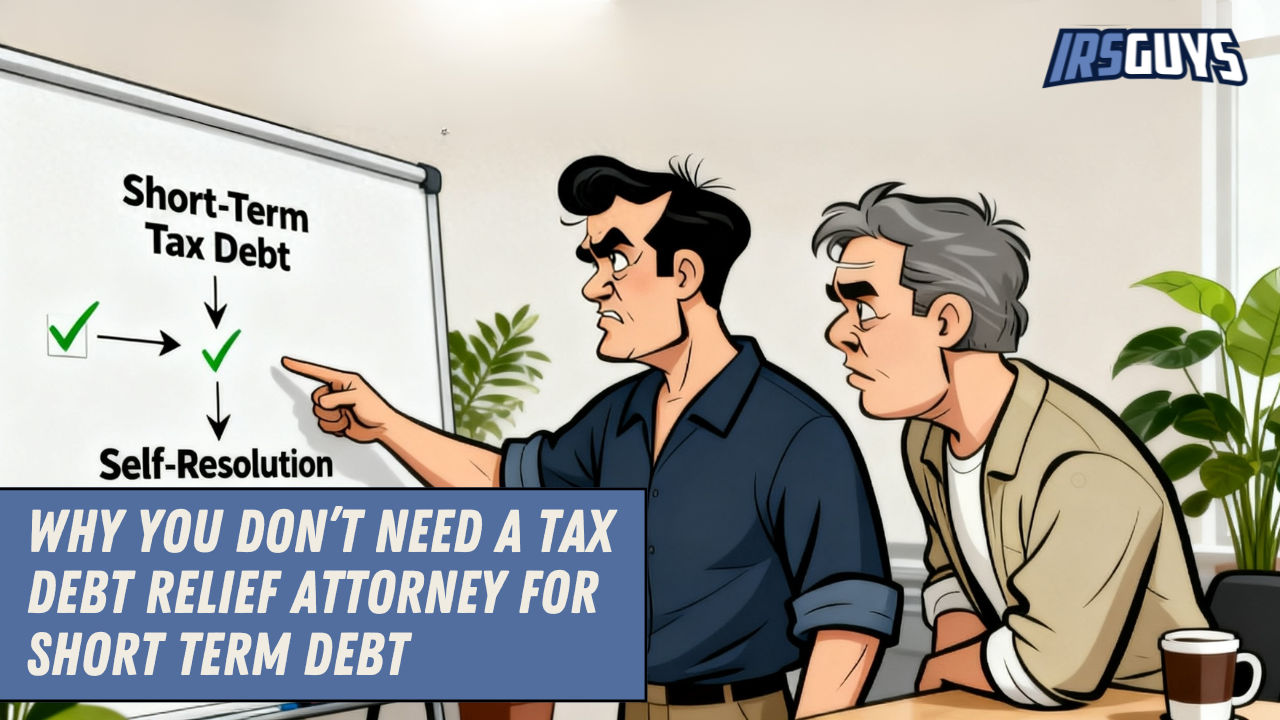
Key Points Short-Term Window: Short-term tax debt is defined by the IRS as a balance you can pay off in full within 180 days. High Debt Threshold: Individuals and sole…
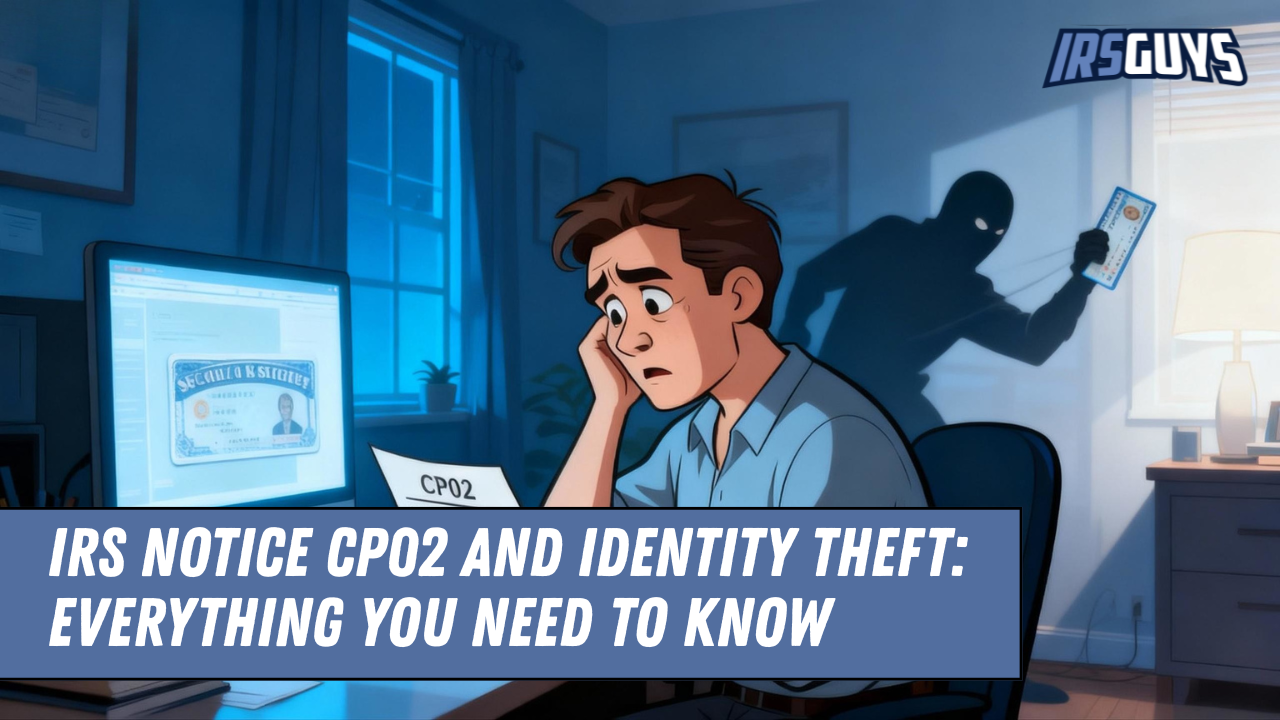
The sight of an IRS envelope demanding attention is stressful, but Notice CP02 holds a particular urgency. This notice is a critical administrative step that often signals one of two…
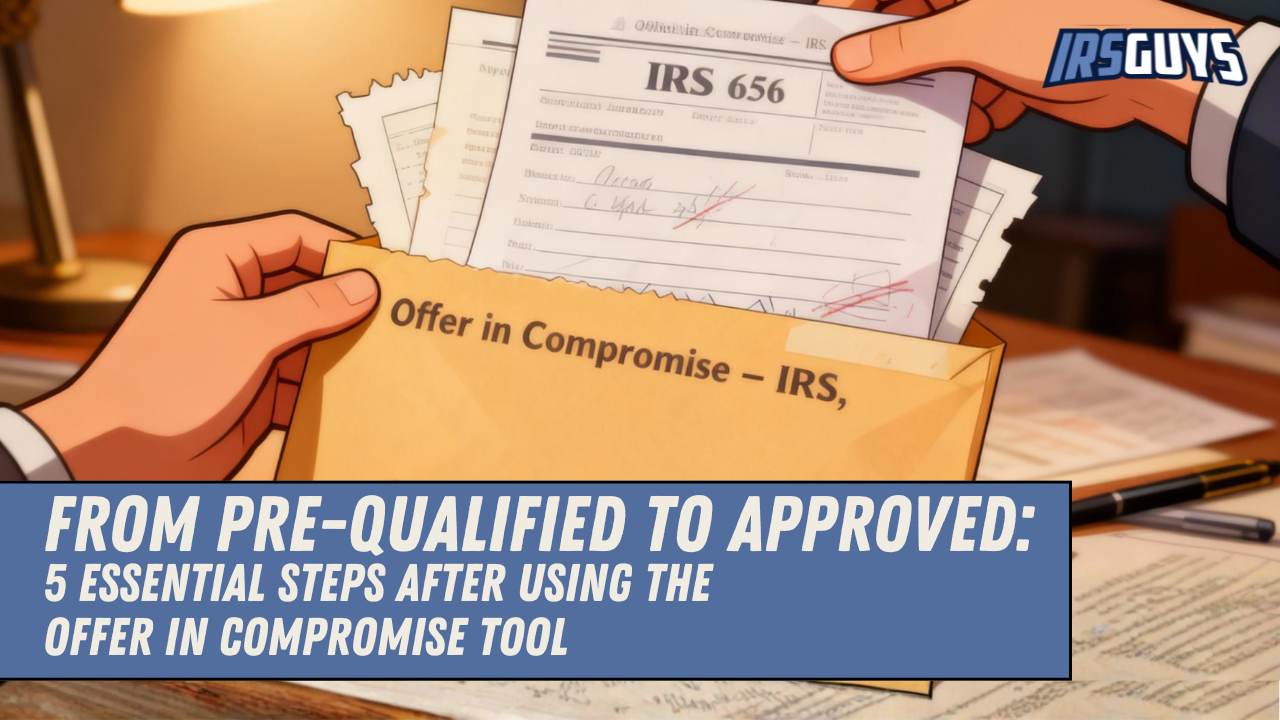
Key Takeaways Getting pre-qualified with the offer in compromise tool doesn’t mean automatic approval; it is just the first step. You’ll need to gather other documents, complete IRS forms, and…

When your federal tax debt becomes too much to handle, you have two main options for relief: an Offer in Compromise (OIC) or bankruptcy. Both options can help, but they…
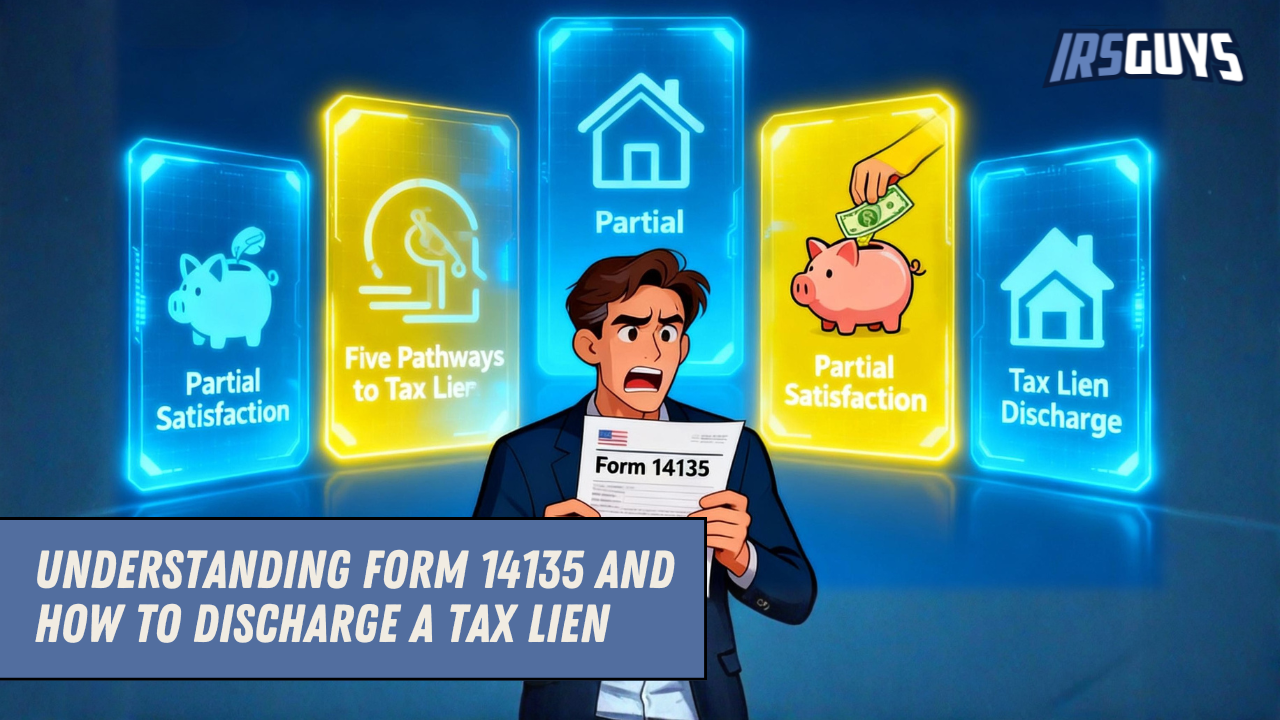
When facing tax debt, many U.S. taxpayers look to bankruptcy for a fresh start. But here is a big mistake people often make: treating tax debts the same as credit…
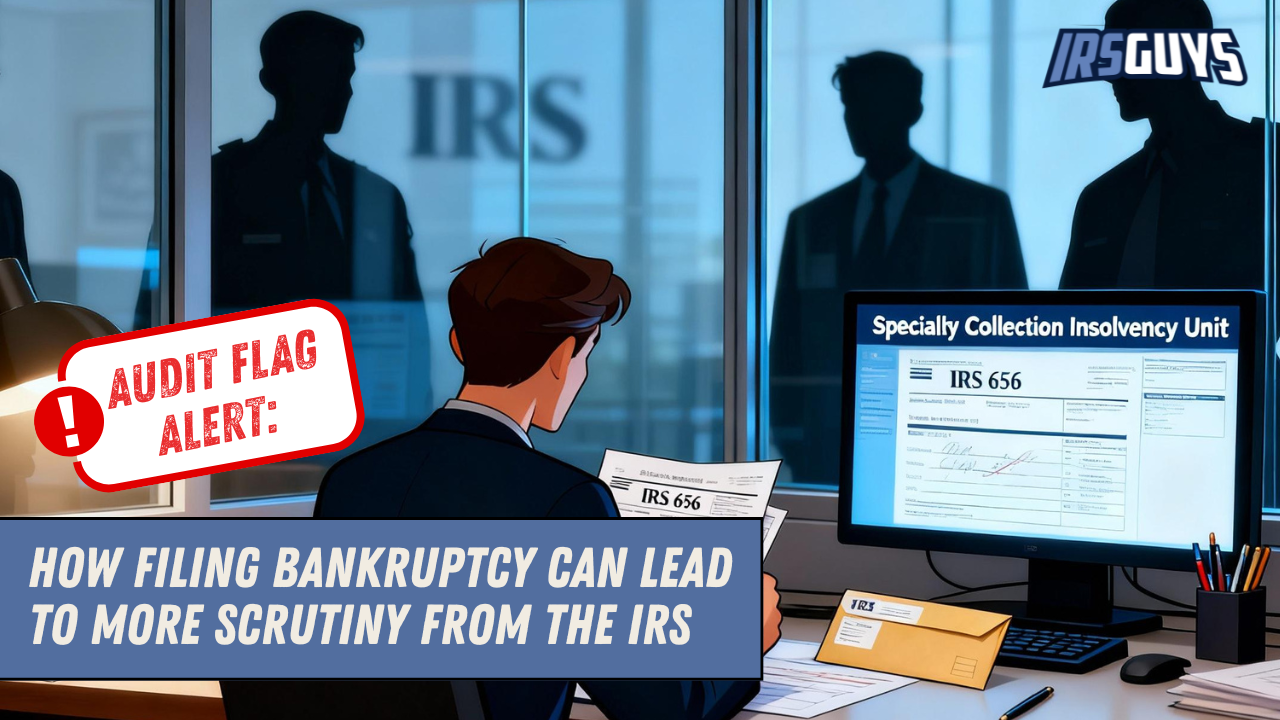
Filing for bankruptcy is one way to get a fresh start with your finances. When you file, the court issues an "automatic stay." This is a legal order that immediately…